Navigating the Future: The Importance of Indoor Digital Signage and Wayfinding in Modern Facilities
Executive Summary
Indoor digital signage and wayfinding technologies have evolved from “nice‑to‑have” conveniences into mission‑critical infrastructure for large, complex venues—hospitals, airports, malls, corporate campuses, and universities alike. By combining real‑time information delivery with intuitive guidance, these systems reduce visitor stress, enhance accessibility, and unlock actionable data for operators. This white paper examines the strategic value of digital signage and wayfinding, outlines key advantages, highlights industry‑specific applications and explores future innovation trends.
- Introduction
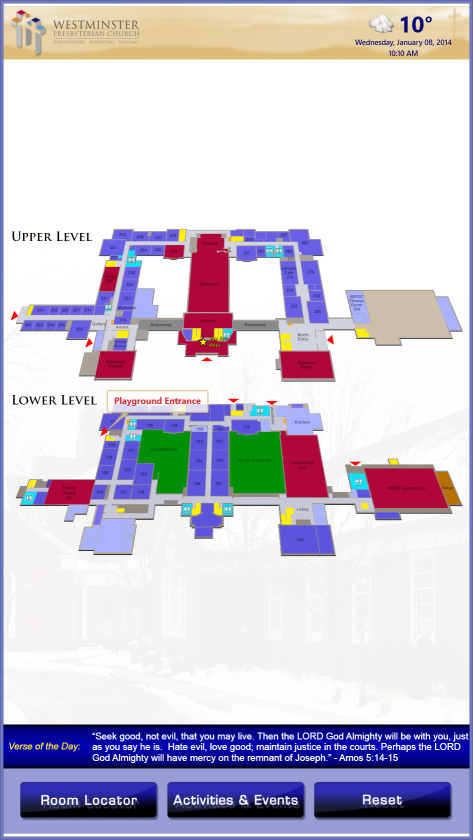
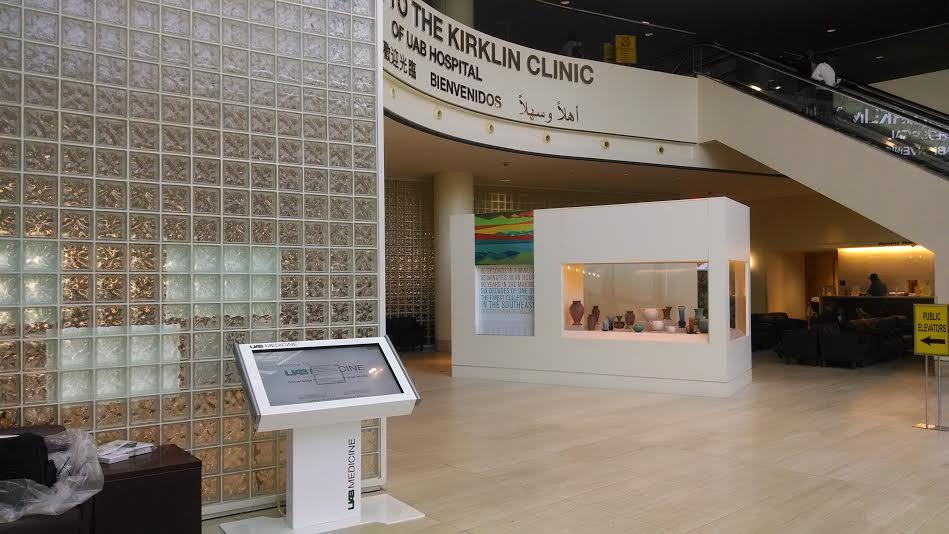
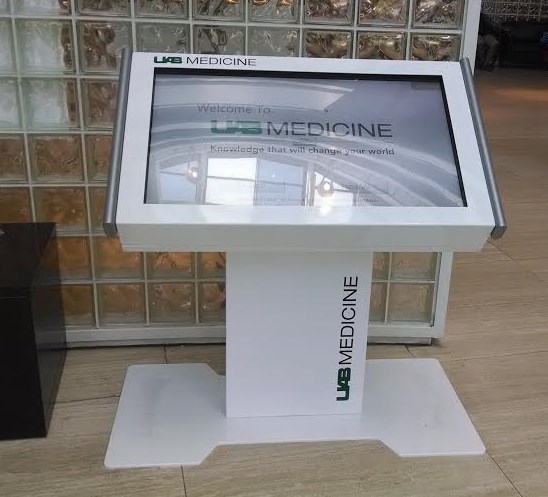
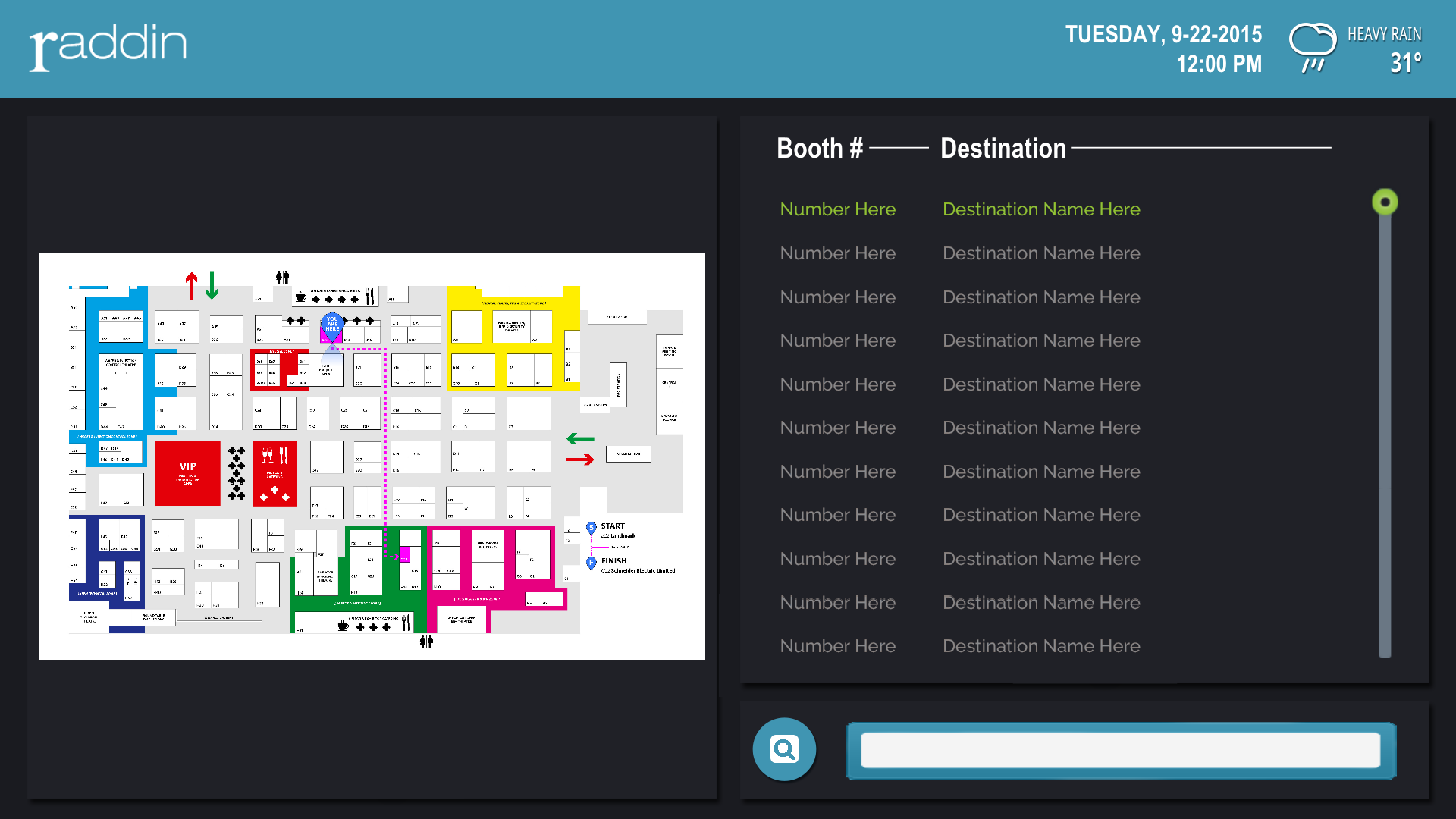
The modern customer or visitor expects frictionless navigation. Static maps and printed signs struggle to keep pace with dynamic environments where departments relocate, gates change, or promotions rotate weekly. Indoor digital signage—networked LCD/LED displays paired with interactive wayfinding software— overcomes these limitations by delivering up‑to‑date directions, alerts, and contextual content on demand.
2.Understanding Digital Signage & Wayfinding
- Term Definition
- Indoor Digital
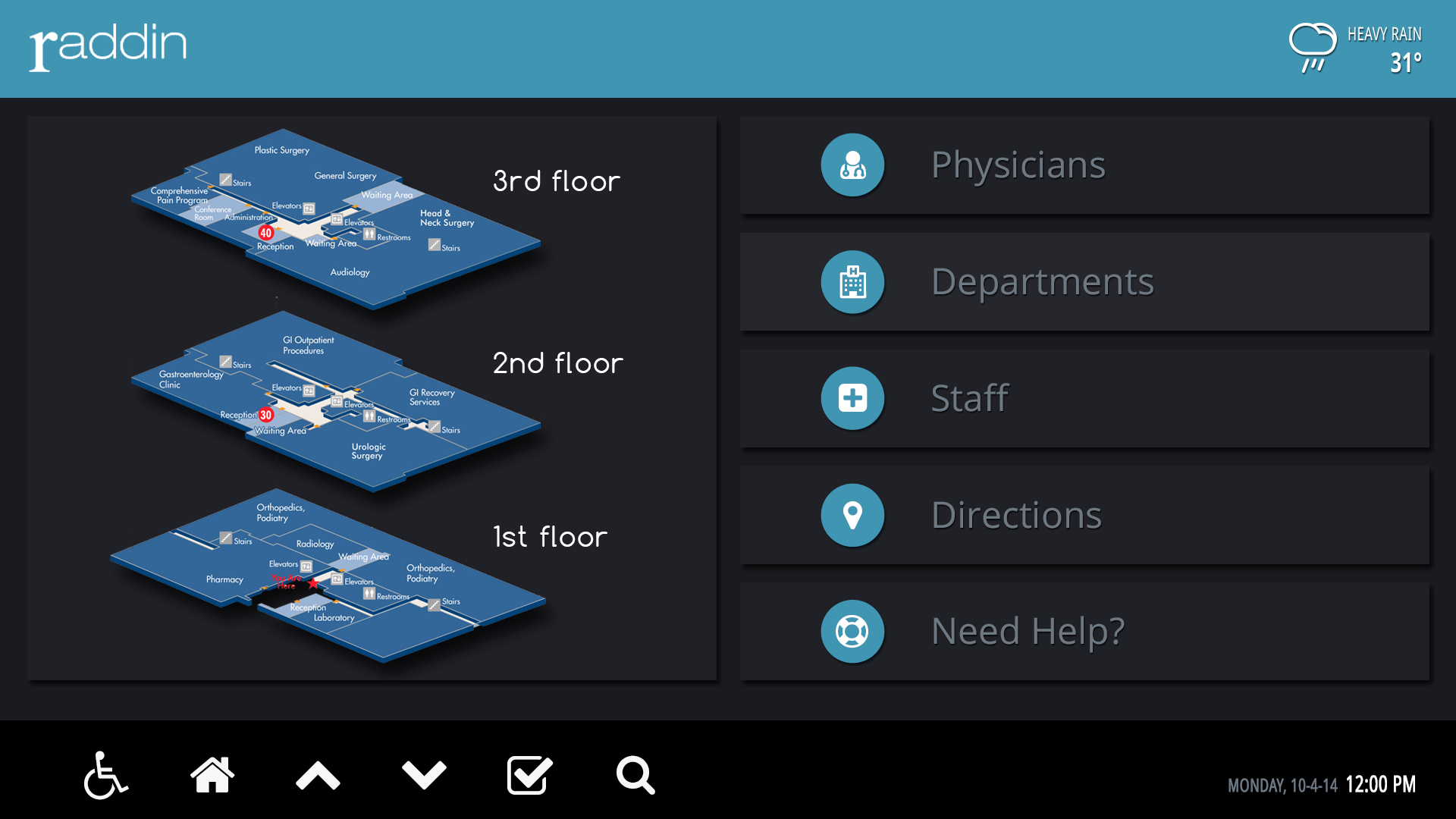
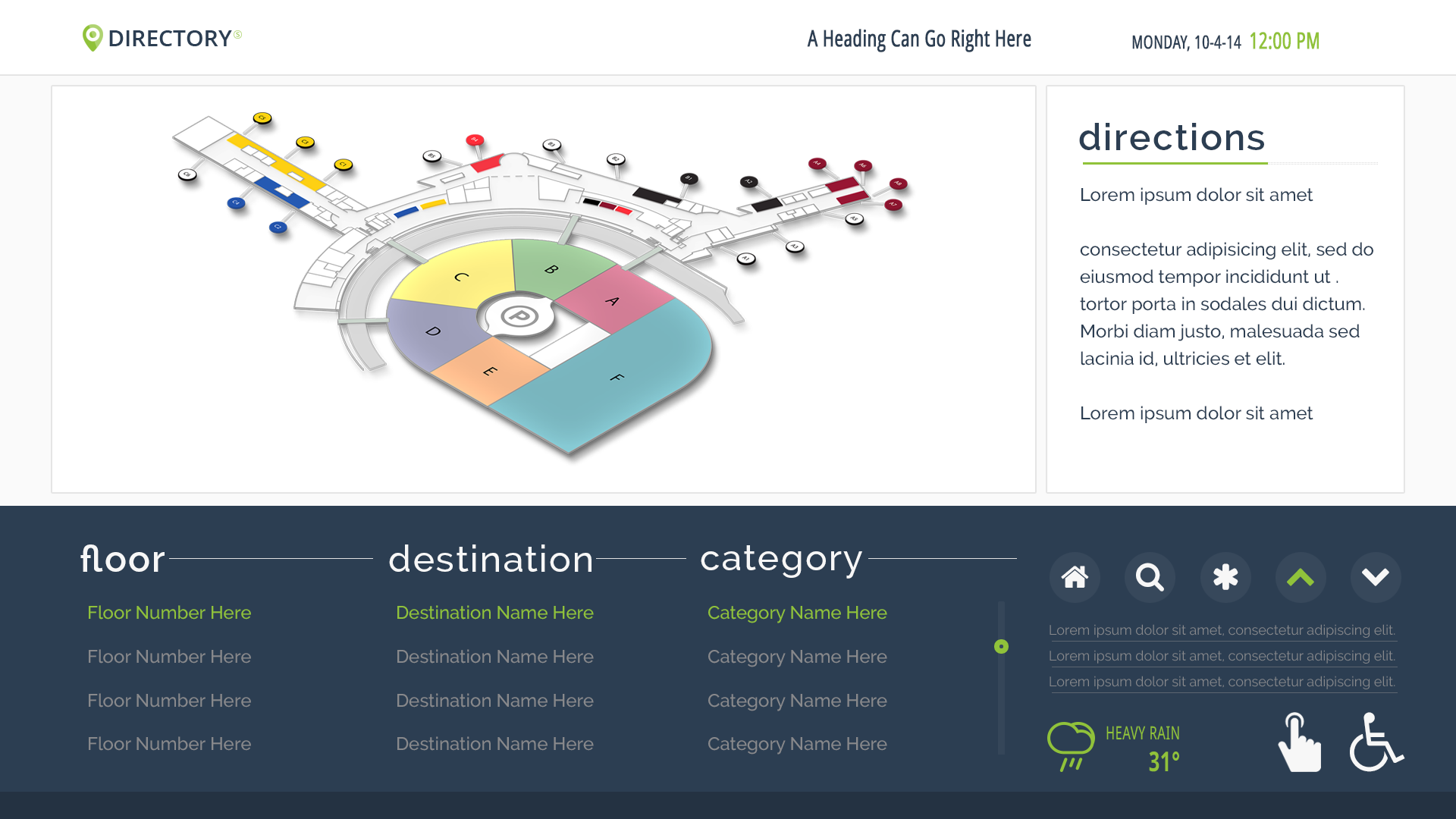
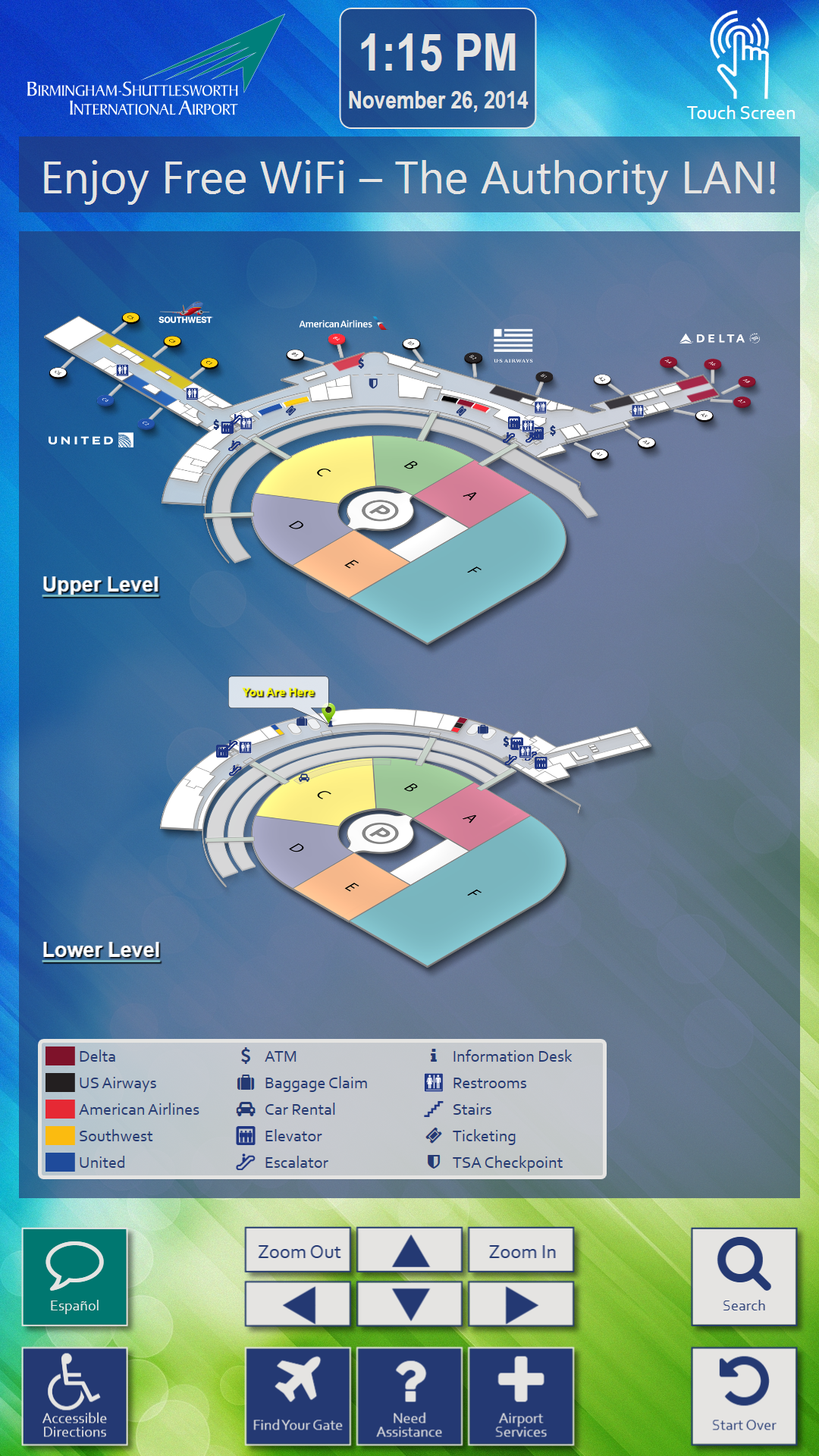
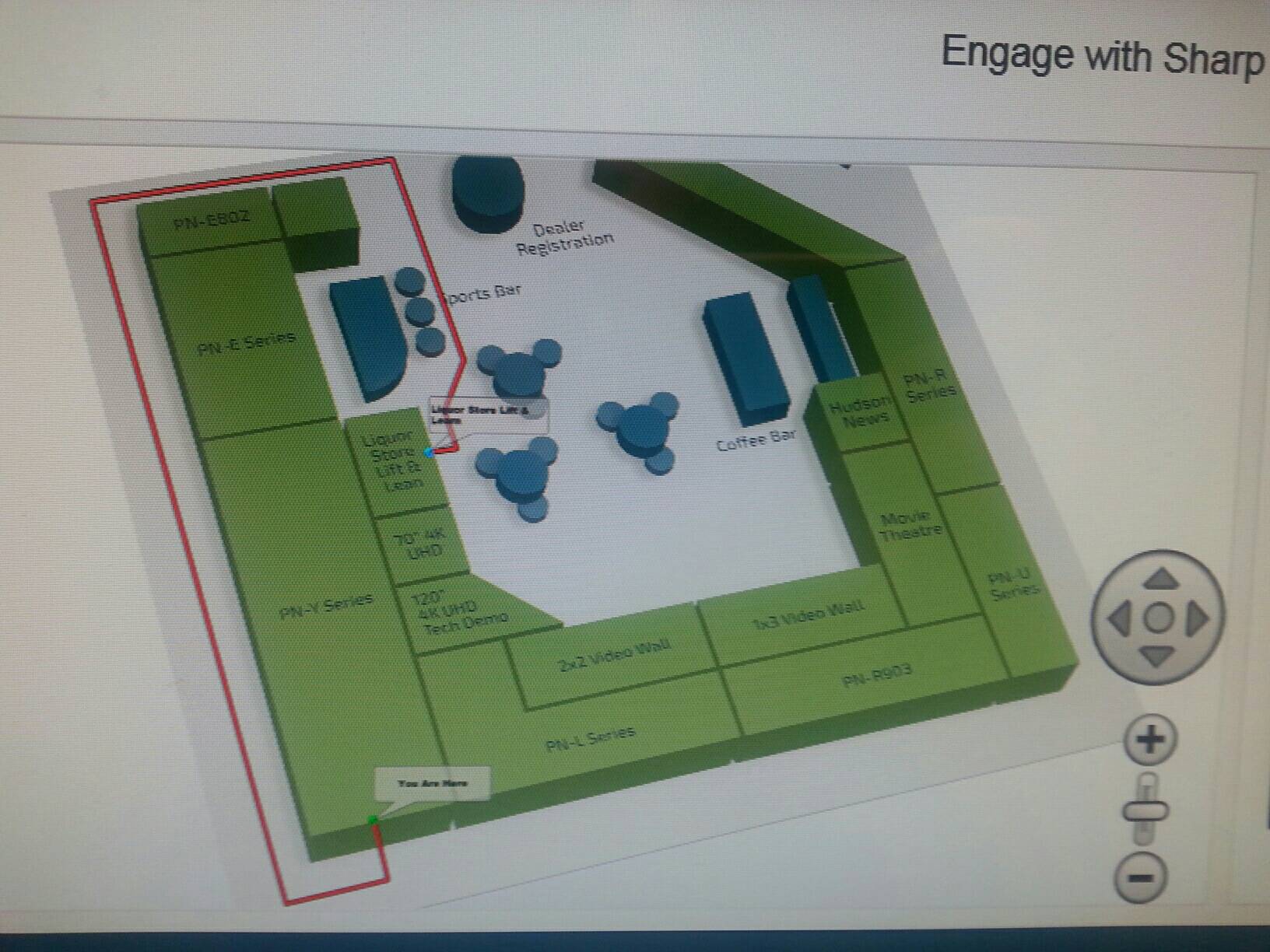
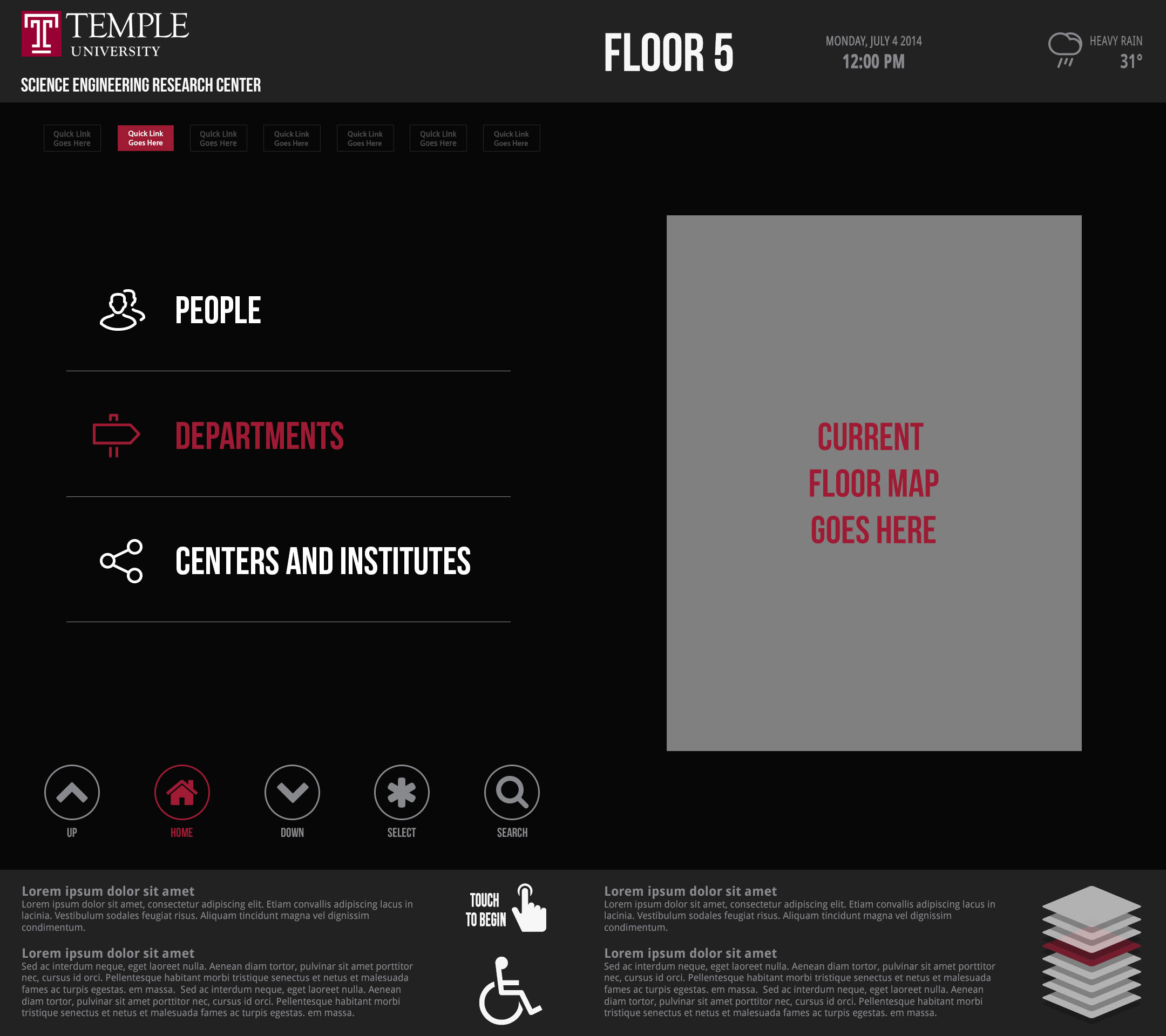
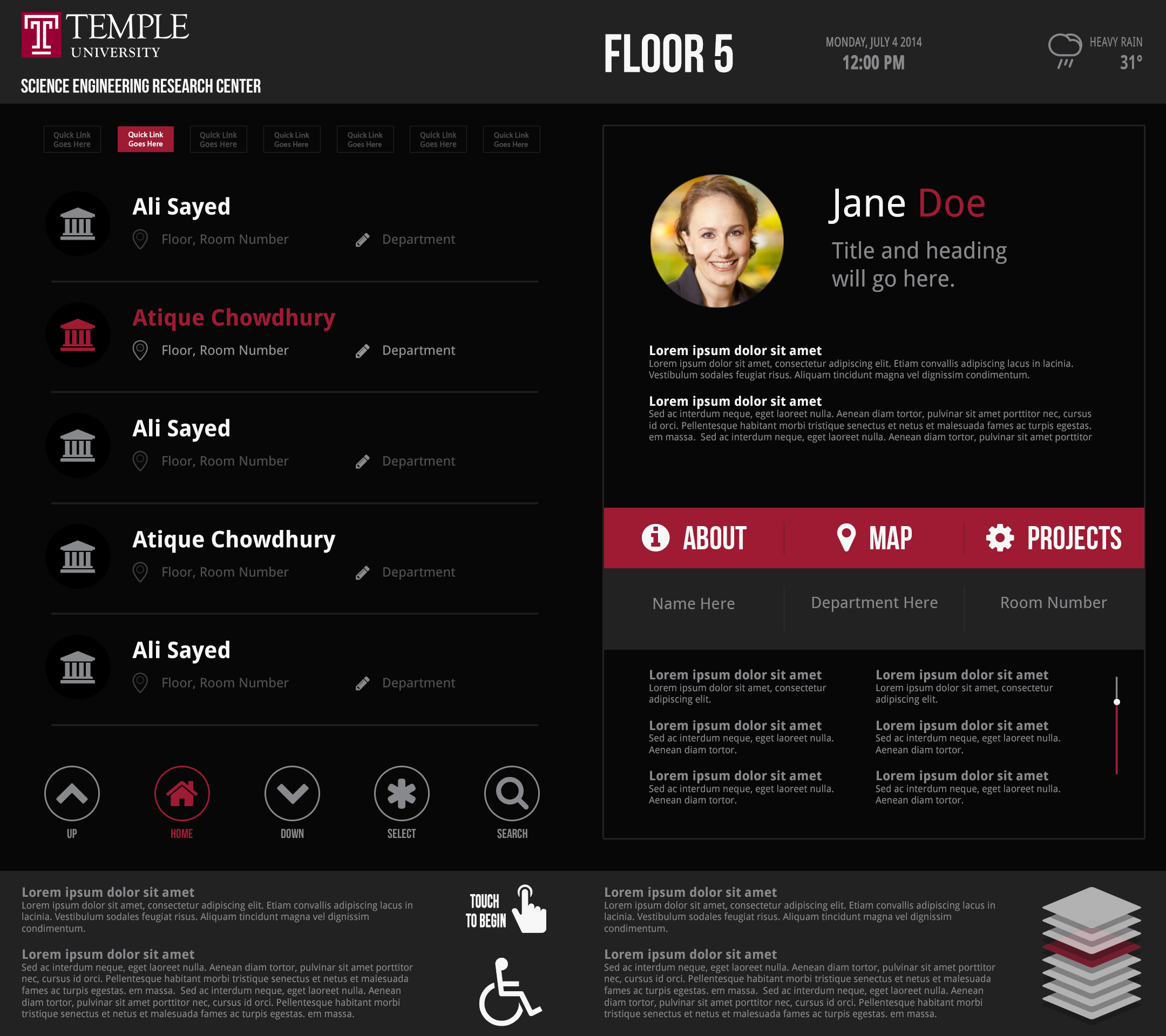
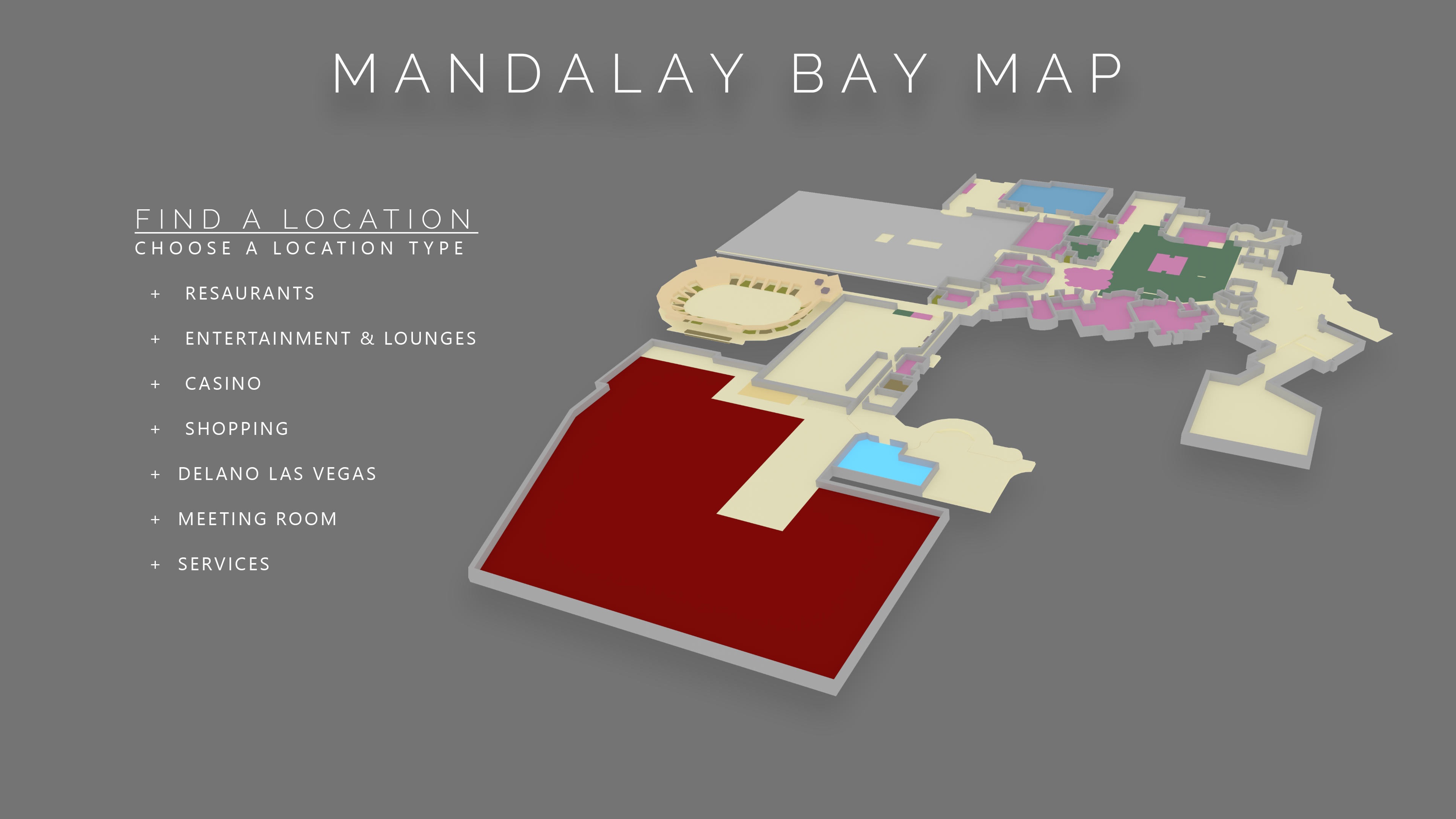
- Signage Networked electronic displays (LCD, LED, e‑paper) that present real‑time information, advertising, or interactive content within a building. Wayfinding The process and tools that help people orient themselves and navigate efficiently from one location to another. Digital Wayfinding An interactive system—often touchscreen kiosks or mobile web apps—that generates turn‑by‑turn routes, interactive maps, and personalized navigation assistance. When combined, digital signage and wayfinding deliver an experience that is dynamic, data‑driven, and universally accessible.
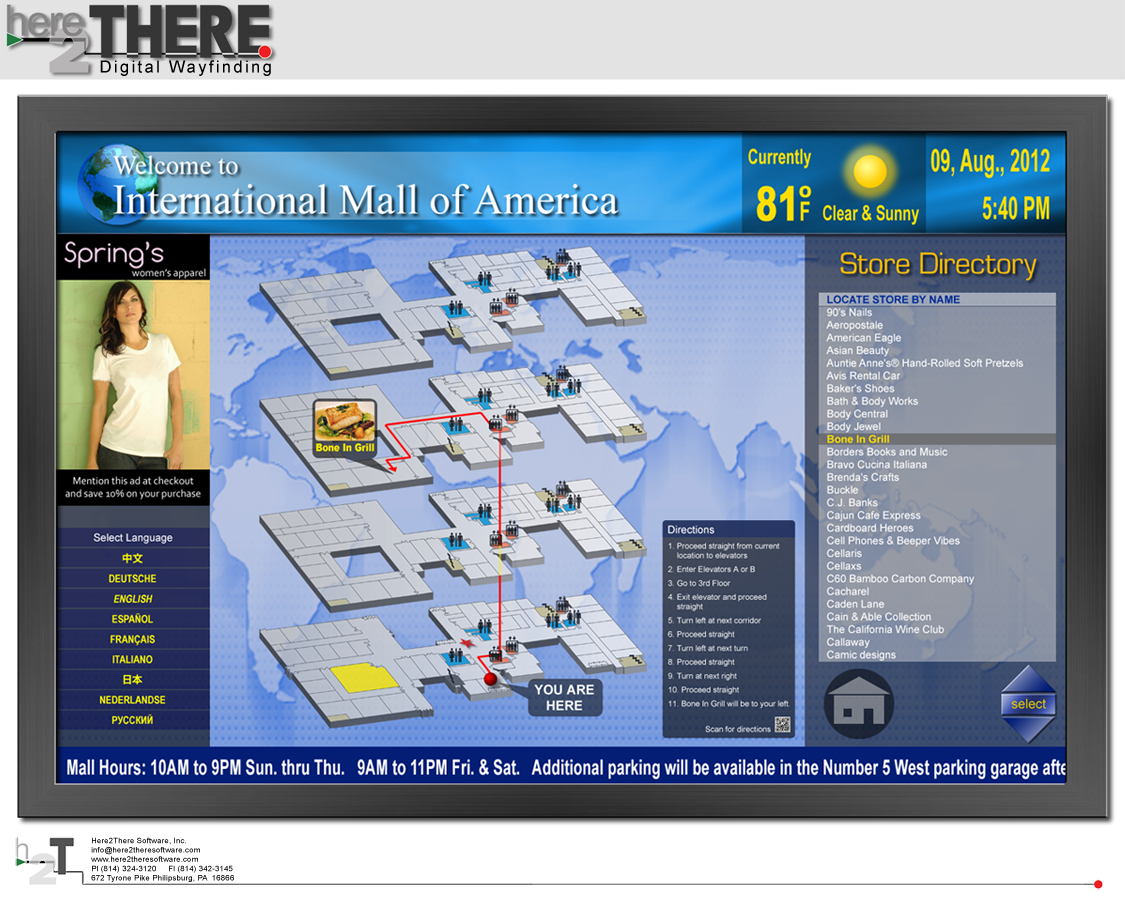
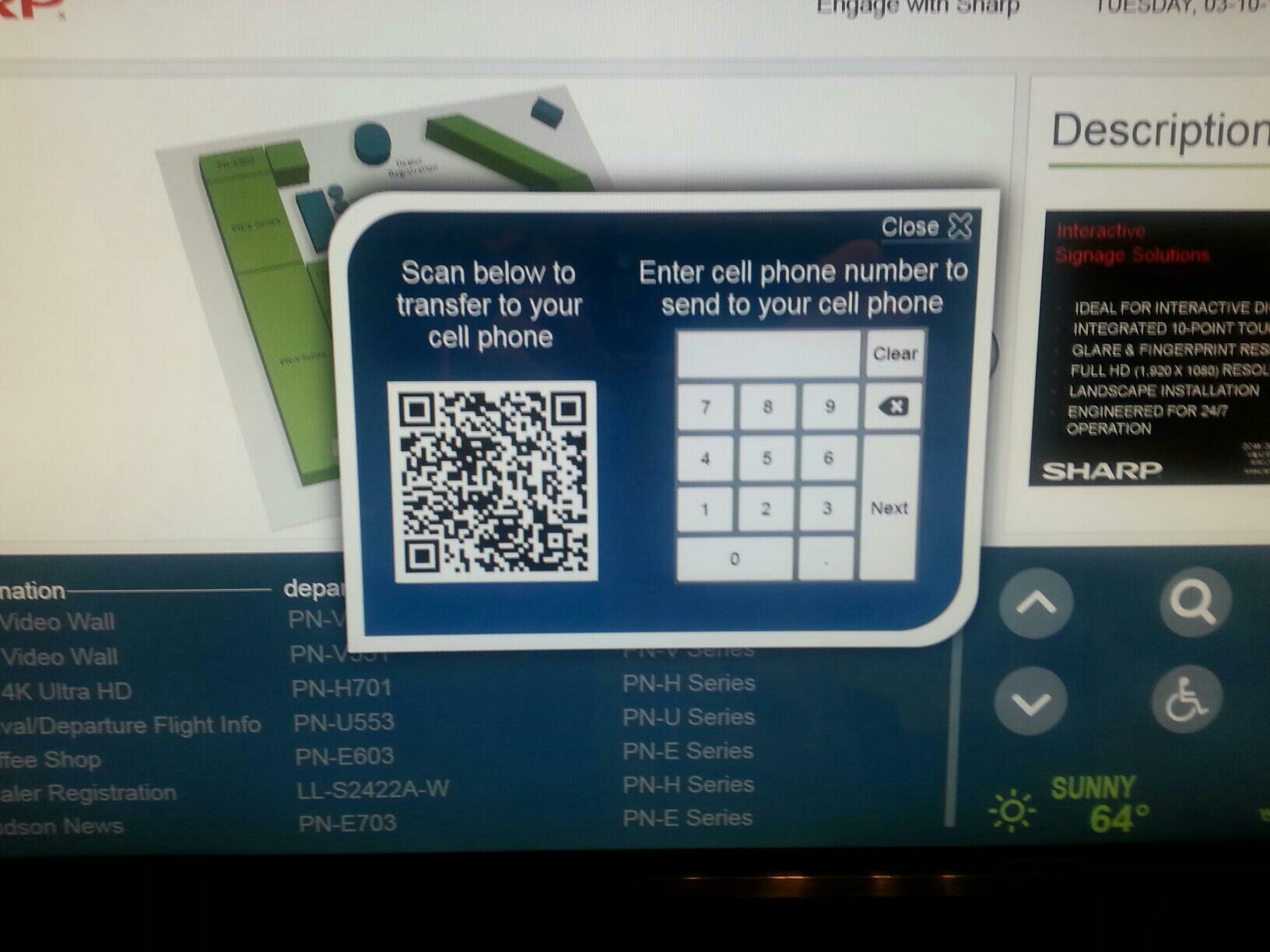
- Key Advantages 3.1 Improved User Experience Interactive kiosks and mobile‑friendly QR links replace confusing static maps. Real‑time routing lowers anxiety in high‑stress venues (e.g., hospitals).
3.2 Enhanced Accessibility & Inclusivity
- Audio prompts for the visually impaired.
- Large‑type modes for older adults.
- Multi‑language interfaces broaden reach.
3.3 Real‑Time Updates & Operational Flexibility Gate changes, room reassignments, or emergency alerts can be published in seconds. Central CMS pushes updates to every screen simultaneously, minimizing downtime.
3.4 Data‑Driven Optimization Anonymous analytics reveal heat maps, dwell time, and route popularity. Facilities use insights to reduce congestion, reposition retail, or improve signage placement.
3.5 Reduced Staff Burden Fewer “Where is…?” inquiries free personnel to focus on core duties. Self‑service navigation boosts overall productivity.
3.6 Long‑Term Cost Efficiency Eliminates recurring printing and labor costs tied to static signage updates. Energy‑efficient displays and targeted messaging increase ROI over time.
-
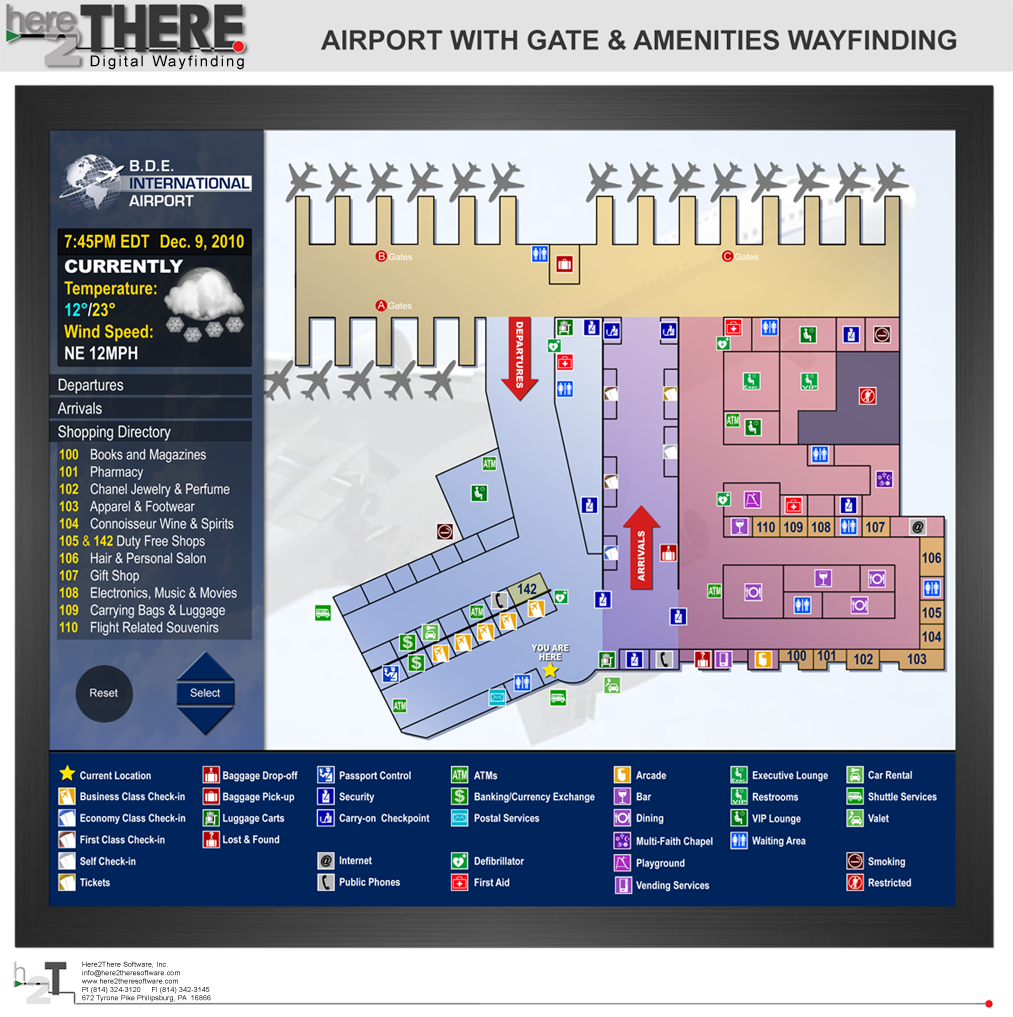
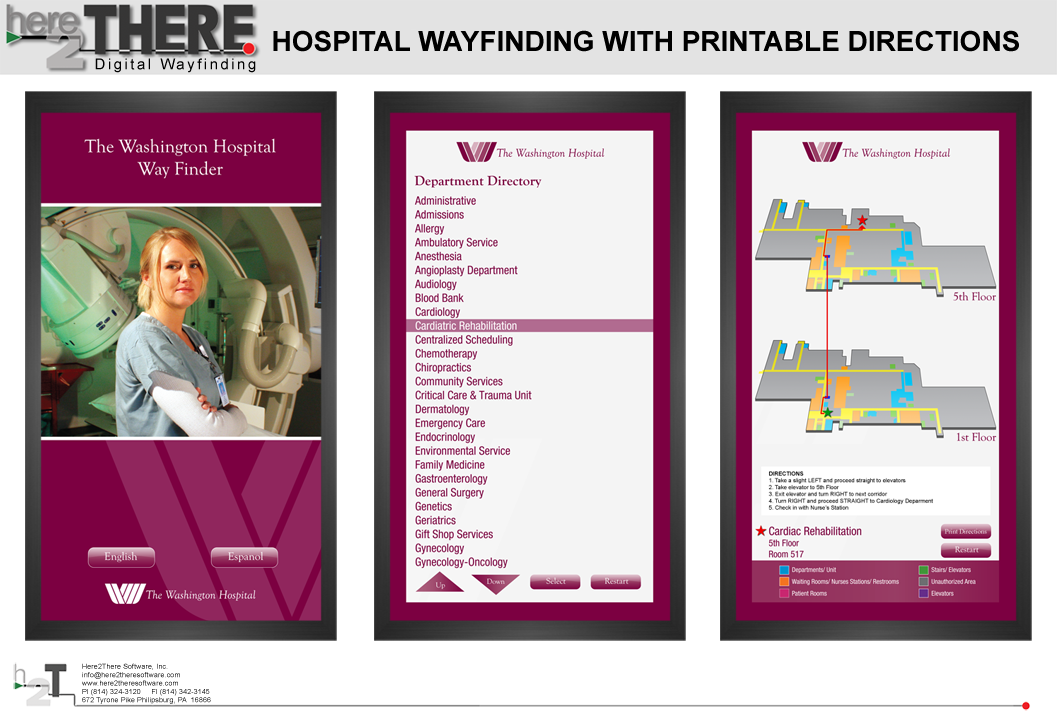
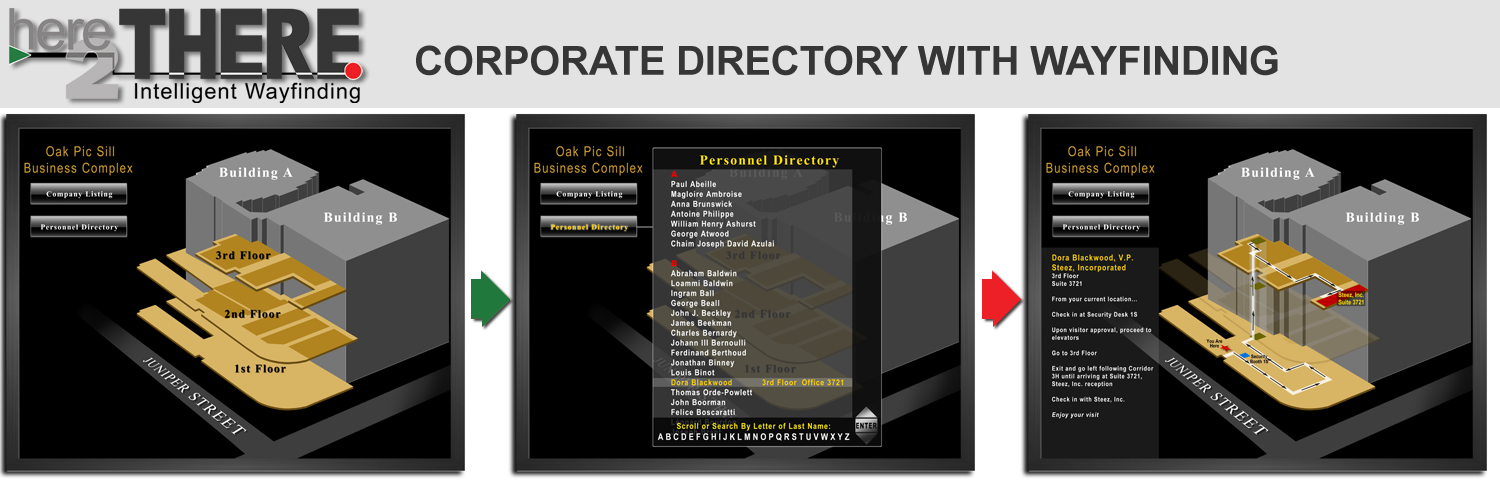
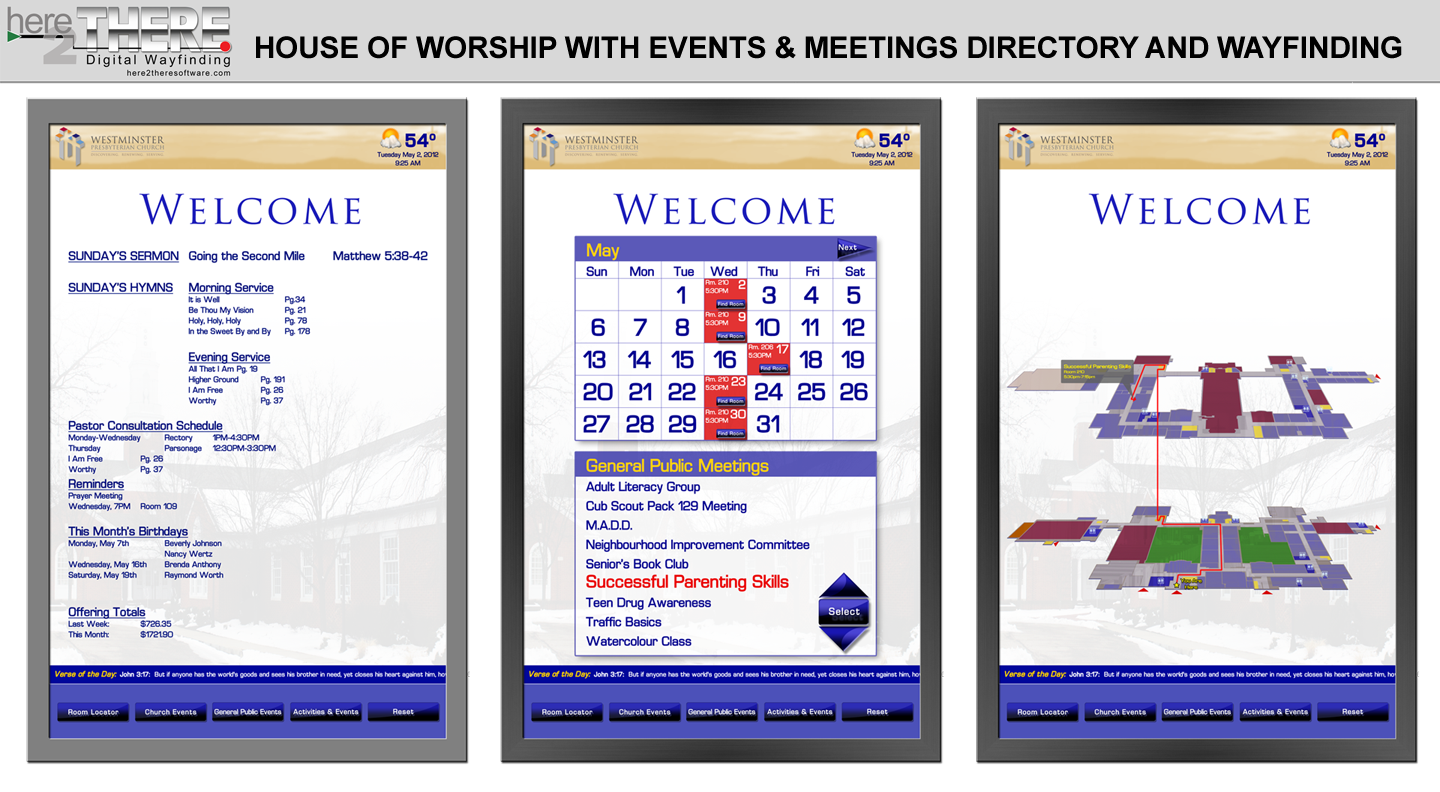
Practical Applications by Industry Sector Use Case Highlights Hospitals & Healthcare Step‑by‑step routing from parking to departments; live wait‑time displays. multilingual patient instructions. Shopping Malls Store search, promotional pop‑ups, traffic‑aware routing to reduce overcrowding.Corporate Campuses Meeting‑room finders, event agendas, emergency muster points. Airports & Transit Hubs, Gate changes, baggage claim directions, security wait times, multi‑terminal navigation.
-
Future Outlook Mobile & QR Synergy – Scan‑to‑mobile navigation will extend routes to personal devices for continuous guidance.
AI & Predictive Routing – Machine learning will recommend least‑crowded paths and anticipate congestion. Augmented Reality (AR) – AR overlays via smartphones or wearables will provide intuitive arrows and contextual data in real space. Sustainability – Low‑power displays and paperless updates align with green initiatives.
- Conclusion Indoor digital signage and wayfinding are no longer optional amenities—they are foundational to delivering seamless, inclusive, and efficient experiences in modern facilities. Organizations that invest now will reap benefits in customer satisfaction, operational insight, and long‑term cost savings. As technology advances, these systems will further integrate AI, mobile, and AR capabilities, cementing their role as the navigation backbone of smart buildings.
About Global Software Applications, LLC Global Software Applications, LLC (GSA) designs and deploys SurferQuest®, QRconneX™, Wayfinding Pro®, and other digital engagement platforms that power smarter spaces worldwide.